Autoscaling is Not Capacity Planning: Understanding the Differences for Optimal Performance
In today’s fast-paced digital world, ensuring your website or application runs smoothly under varying traffic loads is crucial. Autoscaling has become a buzzword for managing server capacity, but it’s important to understand that autoscaling is not the same as capacity planning.
What is Autoscaling?
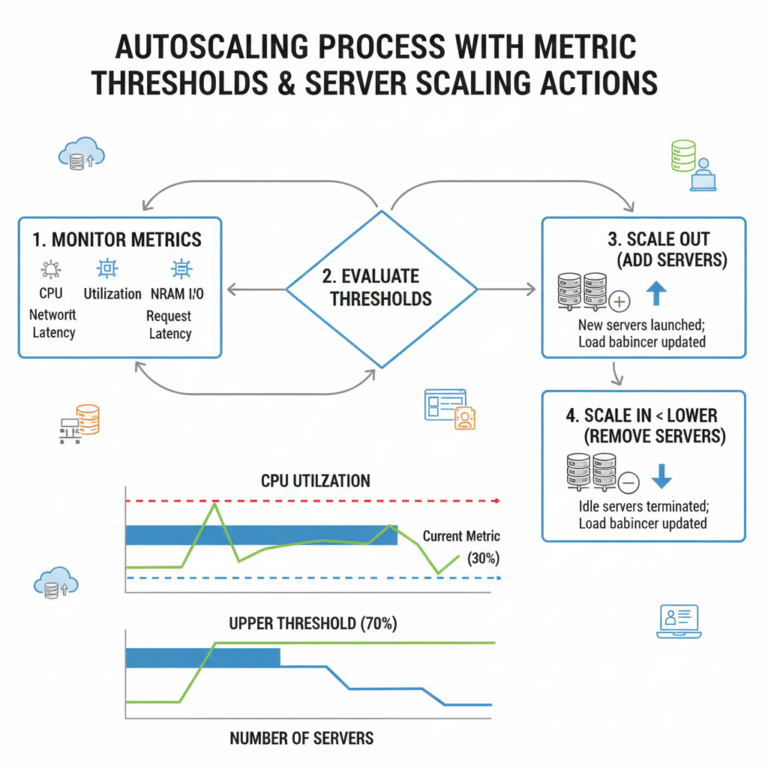
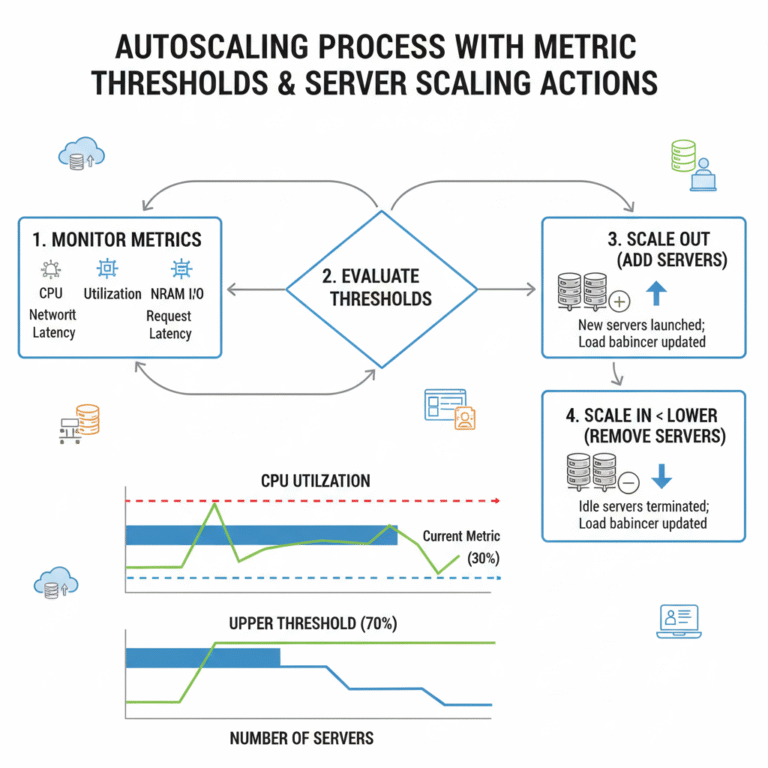
Autoscaling is a cloud computing feature that automatically adjusts the number of active servers or resources based on current demand. You typically define rules such as:
- If CPU usage > 70% for 5 minutes, add 2 servers
- If CPU usage < 30% for 10 minutes, remove 1 server
Why Autoscaling is Not Enough
Delays in Scaling
Scaling out is not instantaneous. When demand spikes, new servers need time to boot. Users may experience slowdowns before autoscaling kicks in. This is why autoscaling reaction time matters so much for reliable systems — the lag between a traffic spike and a fully healthy new instance is often longer than teams expect.
Metrics Lag Behind Real-Time Load
The system relies on metrics that reflect past or current states with a slight delay. Rapid surges in traffic may be underestimated.
The Need for Predictable Capacity Planning
For predictable traffic spikes — Black Friday, major product launches — you need to overprovision ahead of time.

Capacity Planning: The Proactive Approach
Capacity planning involves analyzing historical traffic data and forecasting future demand to allocate resources proactively.
Steps for Effective Capacity Planning
- Analyze past traffic patterns: Identify regular trends, seasonal peaks, and special events.
- Predict upcoming spikes: Use business calendars and marketing plans to anticipate demand.
- Allocate resources accordingly: Provision servers in advance.
- Combine with autoscaling: Use autoscaling as a safety net for unexpected fluctuations.
Conclusion: The Balance Between Autoscaling and Capacity Planning
Autoscaling provides convenience by automatically managing your infrastructure during normal operations. However, it is not a substitute for thorough capacity planning. Autoscaling is your safety net — not your full safety strategy.
For more insights, check out AWS Autoscaling Documentation and Cloudflare Scaling Concepts.
Related: Autoscaling Reaction Time — Why It Matters for Reliable Cloud Systems