The Unconventional Traits of Successful SaaS Founders: Lessons from Building 30+ MVPs

TL;DR — The most successful SaaS founders aren’t the most technical — they treat technology as a utility, ignore scalability until it’s actually a problem, ship embarrassingly simple MVPs, and relentlessly focus on solving real problems for paying customers. Perfectionism and over-engineering are the enemies; speed, iteration, and revenue are the path. The Unconventional Traits […]
No OAuth Required: Simplifying MCP Server Authentication with AWS IAM

TL;DR — Deploying MCP servers on AWS doesn’t require OAuth2 — you can use AWS IAM with SigV4 request signing instead, which eliminates token management overhead while keeping security robust. A pip-installable library now handles the SigV4 integration for LangChain, LlamaIndex, AutoGen, and other agent frameworks out of the box. No OAuth Required: Simplifying MCP […]
Autoscaling is Not Capacity Planning: Understanding the Differences for Optimal Performance
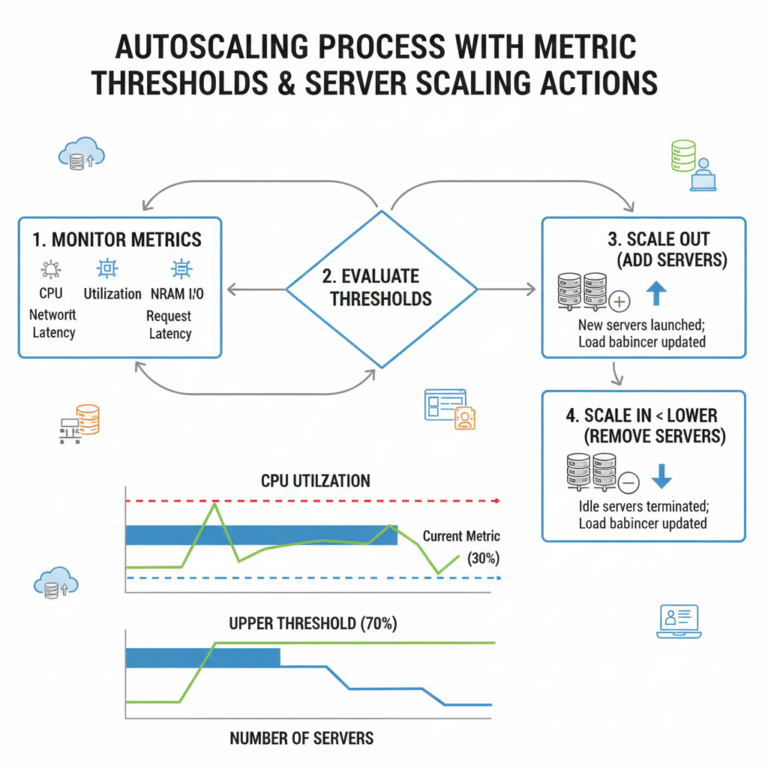
TL;DR — Autoscaling reacts to load that has already occurred — new servers take time to provision and metrics lag behind real-time demand. For predictable spikes (launches, campaigns, seasonal peaks), you need proactive capacity planning to provision resources before the event. Use autoscaling as a safety net for unexpected variance, not as your primary capacity […]
Data / ML Engineers, STOP Using requirements.txt! Embrace pyproject.toml Today
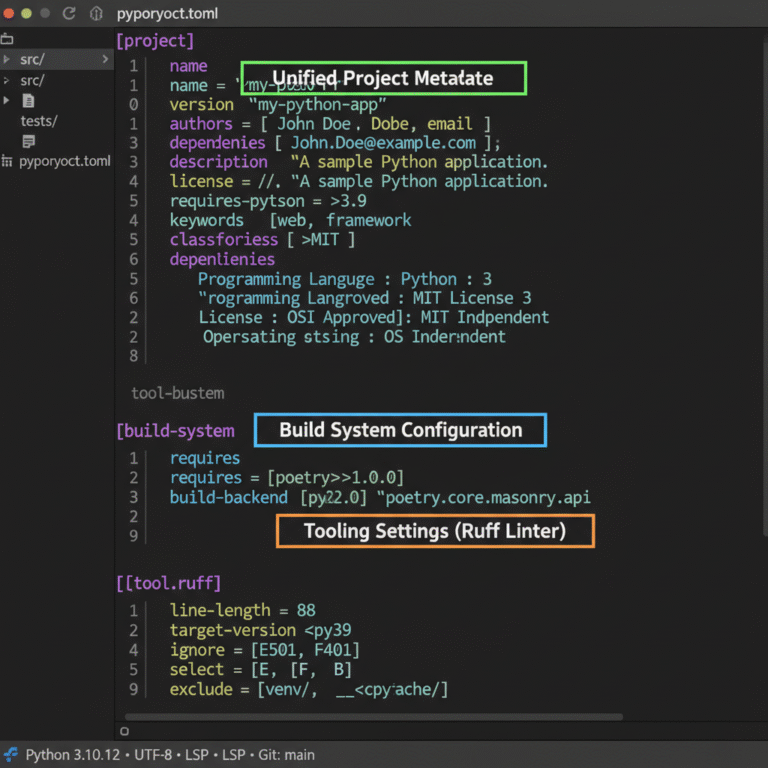
TL;DR — requirements.txt is just a list of pip install commands with none of the project metadata, build system config, or tooling consolidation that modern Python projects need. Switching to pyproject.toml centralizes everything in one declarative file — dependencies, build backend, linters, formatters — and is already the standard for any serious Python project in […]
Unlocking Efficiency: How Hugging Face’s TOON Data Format Cuts LLM Token Usage by Up to 60%
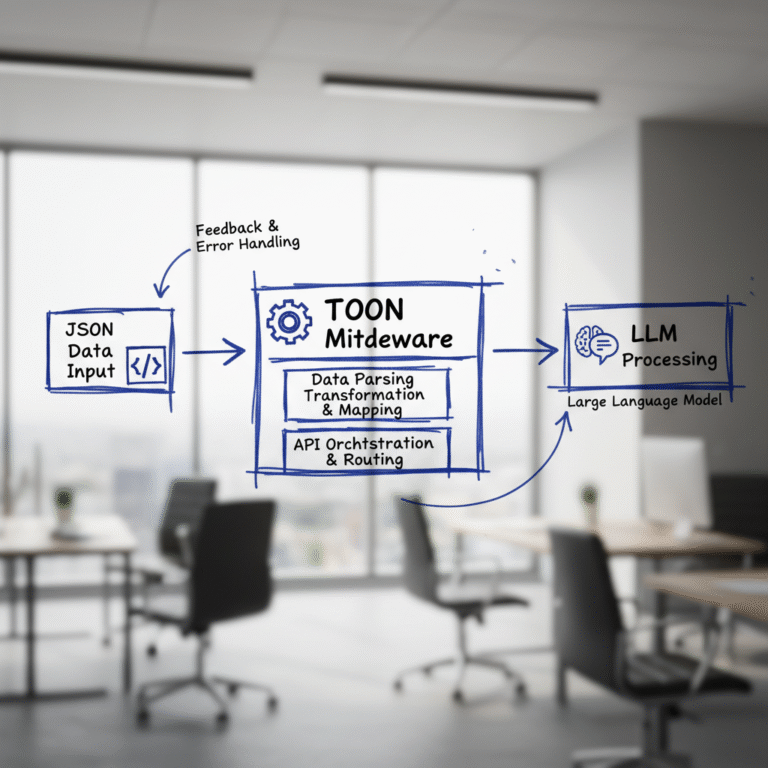
TL;DR — Hugging Face’s TOON data format acts as middleware that converts JSON structured data (logs, lists, tables) into a more token-efficient representation before it reaches your LLM — cutting token usage by 30–60%. It drops in between your existing data pipeline and your model call with no infrastructure overhaul required. Unlocking Efficiency: How Hugging […]
Harnessing the Power of Microsoft Agent Lightning for Reinforcement Learning in AI Agents
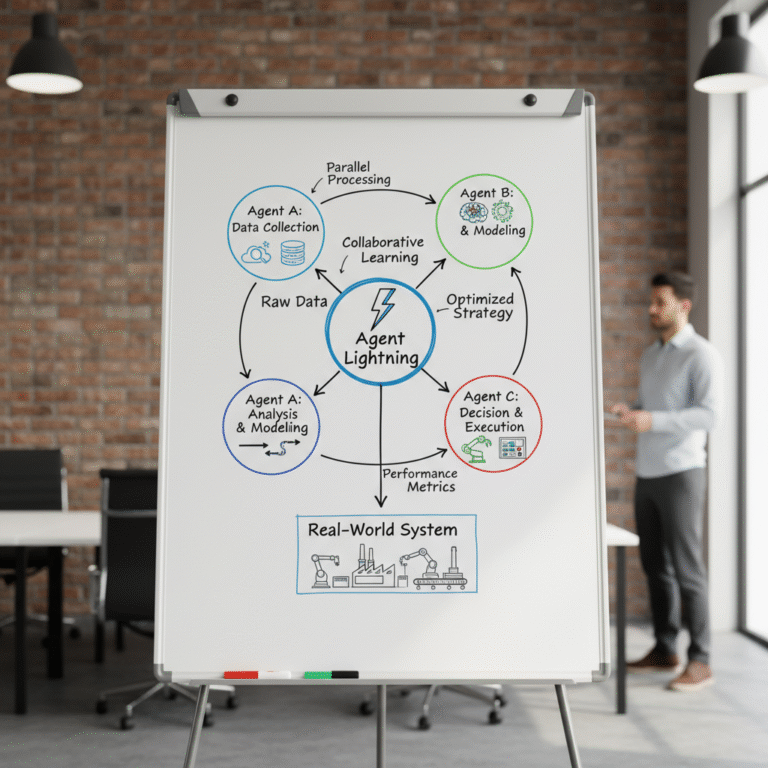
TL;DR — Microsoft’s Agent Lightning is an open-source framework that adds a single function call (agl.emit()) to your existing AI agent code to capture all prompts, tool calls, and reward signals — then applies reinforcement learning, prompt optimization, or fine-tuning automatically. It works with LangChain, AutoGen, CrewAI, and plain Python without overhauling your infrastructure. Harnessing […]
Shrink Your Docker Image by up to 95% — Boost Efficiency and Security!
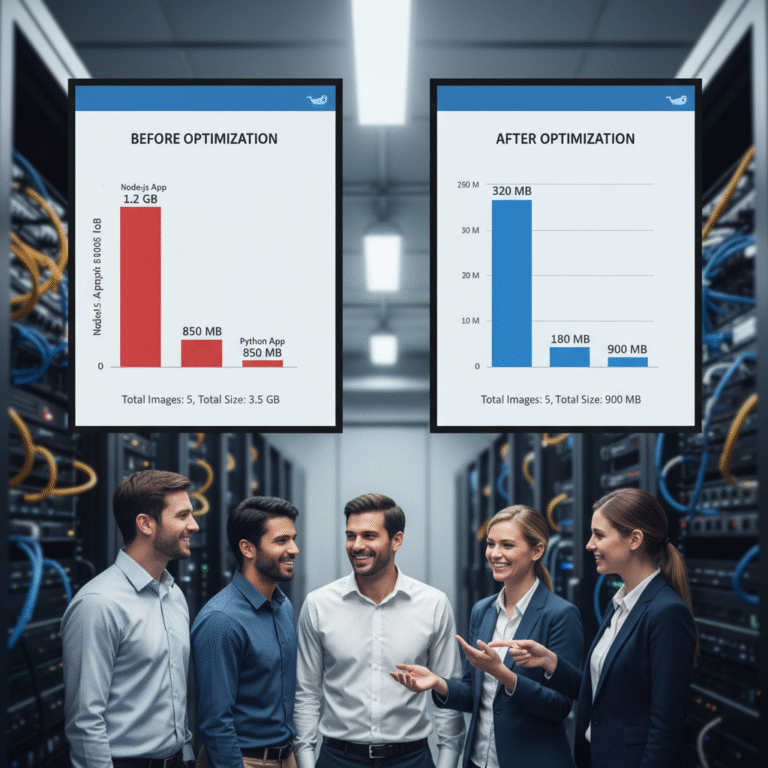
TL;DR — Bloated Docker images slow deployments, waste storage, and widen your attack surface. Using multi-stage builds, minimal base images (Alpine/distroless), combined RUN layers, and a non-root user can shrink images by up to 95% — faster deploys, lower costs, and better security with no change to application behavior. Shrink Your Docker Image by up […]
Comparing the Cost of Internal Observability Platforms vs. Commercial Solutions

Comparing the Cost of Internal Observability Platforms vs. Commercial Solutions Recently, our internal team was tasked with calculating the cost of the observability platform we’ve built and maintained in-house, tailored for a specific use case within our enterprise. The results were eye-opening, especially when compared to leading commercial solutions like Grafana Labs’ Cloud offering, Splunk, […]
Azure vs AWS: Understanding the Basics of Cloud Organization

Azure vs AWS: Understanding the Basics of Cloud Organization When navigating the world of cloud computing, two giants often come to mind: Microsoft Azure and Amazon Web Services (AWS). While both platforms provide robust cloud solutions, their approach to structuring and organizing resources varies. If you’ve worked in Azure, you’re familiar with tenants, subscriptions, and […]
How We Reduced a Client’s Cloud Bill by 98.6% Overnight: A FinOps Case Study

TL;DR — A client was spending $701/month on a full Kubernetes-based Discourse stack — for a forum with discussions disabled. By asking “do we even need a forum engine?”, we migrated the content to a static site on S3 + CloudFront and cut the bill to ~$10/month: a 98.6% reduction overnight. The biggest FinOps wins […]