The Unconventional Traits of Successful SaaS Founders: Lessons from Building 30+ MVPs
In the competitive world of SaaS, the conventional wisdom often points toward having a perfectly engineered product as the key to success. However, after building over 30 Minimum Viable Products for dozens of founders, I’ve observed a starkly different reality. The founders who truly succeed often embody traits that many would find frustrating or even counterintuitive.

1. They Are Proudly “Technically” Incompetent
The biggest challenge I face is working with founders who know just enough coding to micromanage the tech stack. The winners don’t sweat these details. They come to me with a simple request: “Can you build this by Friday?” And once I say yes, they focus on selling rather than tech debates. For them, technology is a utility bill — something to pay and use without fuss.

2. They Ignore “Scalability” Until It’s a Fire
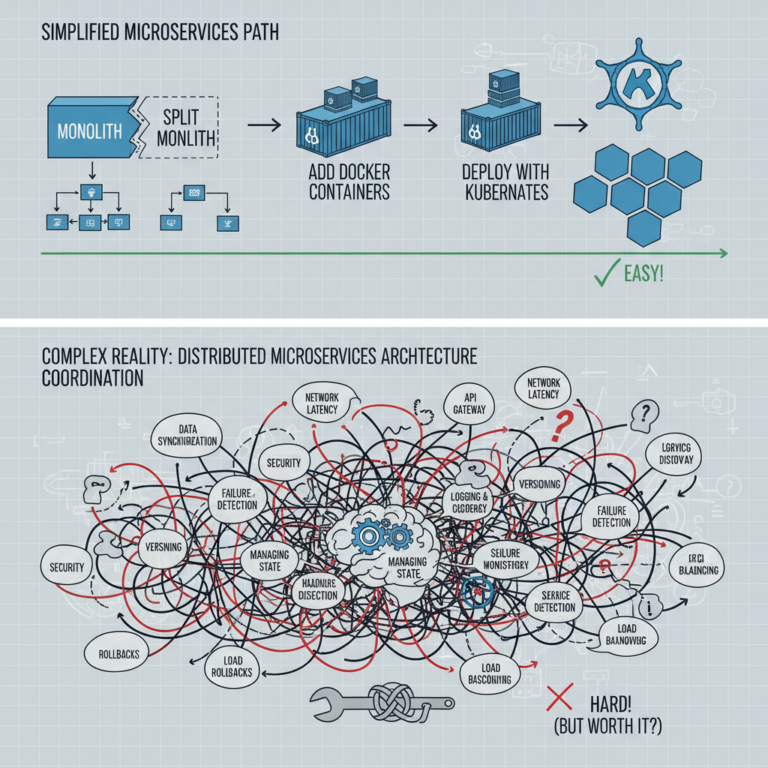
One of my clients ran a backend that was a single, massive Python script on a cheap droplet that crashed weekly. It generated $30k MRR before any refactoring happened. Rewriting code doesn’t generate revenue — selling does. The successful ones build just enough for a handful of users, let the system break at 100, then invest in refactoring when they have the cash flow.

3. They Are Annoyingly Persistent
Successful founders are the ones who message me at 8 PM on a Tuesday: “I promised a client a feature by tomorrow, can we hack it together?” This pressure drives fast evolution based on real users, not speculative roadmaps.

4. They Don’t Dream Big — They Solve Real Problems
The winners pitch straightforward tools focused on solving specific pain points. A tool to help dentists send appointment reminders. Simple, boring, effective, and monetizable at $50/month. They don’t aim to change the world in one go; they aim to fix minor inconveniences for groups who have money and actual problems.

5. They Launch Embarrassing MVPs
If your MVP doesn’t make you a little ashamed, you’ve launched too late. I’ve shipped products with placeholder text, broken buttons, and imperfect mobile layouts. Yet users bought because the core functionality delivered value. Perfectionism is the enemy of progress.

Conclusion: Focus on Selling, Not Perfection
The harsh truth is that SaaS success is less about building beautiful, scalable products and more about selling solutions to real problems. The code is just the delivery mechanism.